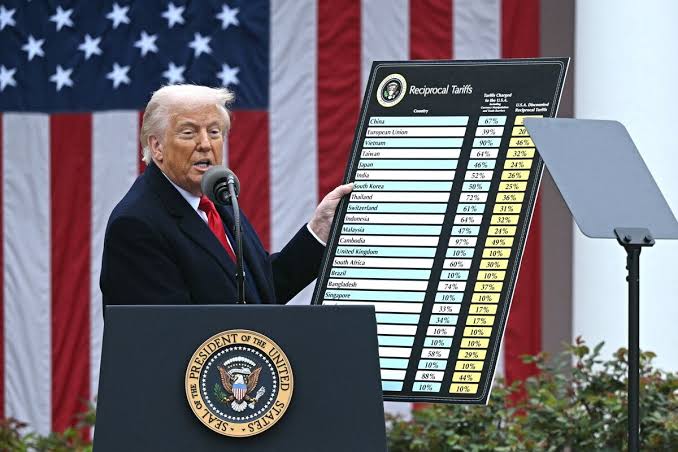

The United States House of Representatives has approved a bill aimed at removing the tariffs imposed by former President Donald Trump on Canadian imports. This decision reflects growing concerns among lawmakers about the economic impact of these trade measures on businesses, cross-border relations, and overall market stability between the two neighboring countries.
The proposed legislation seeks to ease trade tensions by eliminating duties that have affected several industries, particularly those involved in manufacturing and raw materials. Supporters of the bill argue that lifting the tariffs could strengthen economic cooperation between the United States and Canada, encourage smoother trade operations, and support businesses that rely heavily on cross-border partnerships.
Lawmakers backing the measure also emphasize the importance of maintaining a strong relationship with Canada, one of the United States’ closest allies and largest trading partners. They believe that reducing trade barriers will help rebuild trust and promote mutual economic growth, especially at a time when global trade conditions remain uncertain.
However, the bill still faces further steps before becoming law, as it must pass through additional legislative procedures. The development highlights ongoing debates in Washington over trade policies and their broader effects on international relations, domestic industries, and economic strategy.
Overall, the House’s decision signals a continued effort to reassess past trade actions and prioritize policies that encourage cooperation and long-term economic benefits between the United States and Canada.