The conflict in the Middle East continues to intensify as Israel reports that several senior Iranian nuclear scientists have been killed during recent military operations. According to Israeli officials, the strikes targeted individuals closely connected to Iran’s nuclear development efforts. The Israeli government described the attacks as a strategic attempt to weaken Iran’s nuclear capabilities and disrupt scientific leadership involved in advancing the country’s nuclear program.
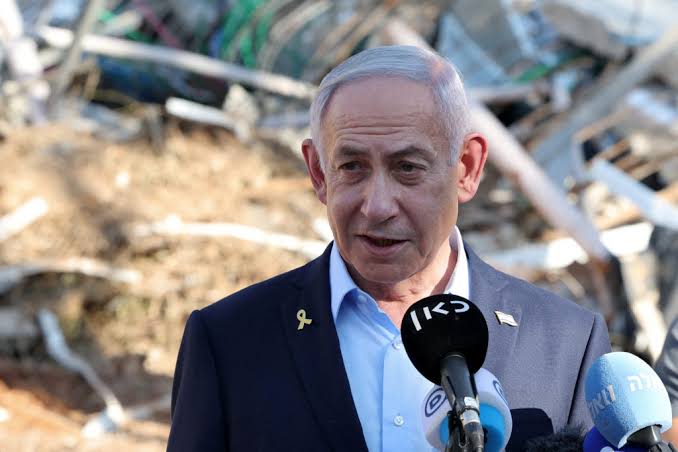
Israeli Prime Minister Benjamin Netanyahu stated that the operations were designed to deal a significant blow to Iran’s nuclear infrastructure. The strikes reportedly focused on facilities and personnel believed to play a role in nuclear research and missile development. Israeli authorities claim the campaign has already caused substantial damage to Iran’s military and technological networks linked to its nuclear ambitions.
Meanwhile, the broader war in the Middle East continues to expand beyond direct confrontations between Israel and Iran. Missile and drone attacks have been exchanged between the two sides, raising fears of a prolonged and increasingly dangerous conflict. Tensions have also spread into neighboring regions, with armed groups allied with Iran becoming more active, particularly in Lebanon where clashes have intensified.
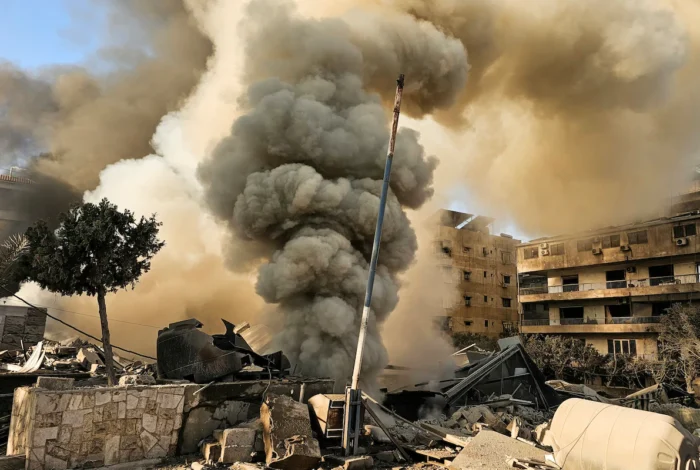
The humanitarian impact is also growing as the conflict spreads across the region. Civilians in several areas have been forced to flee their homes due to ongoing airstrikes and security threats. Cities in Lebanon and other nearby regions have experienced significant destruction, contributing to rising casualties and large-scale displacement.
Beyond the battlefield, the conflict is beginning to influence global markets and international security discussions. Concerns about disruptions to major oil shipping routes have caused fluctuations in energy prices and sparked fears about long-term economic consequences. As the situation continues to evolve, world leaders and international organizations are closely monitoring developments, warning that the conflict could have far-reaching implications for regional stability and the global economy.