
Brent crude oil prices have taken a sharp downturn, slipping below the $100 mark and recording a decline of more than 10%. This sudden movement in the oil market has drawn global attention, especially as energy prices remain a key concern for economies and consumers alike. The drop reflects a shift in market sentiment driven by geopolitical developments rather than supply disruptions.
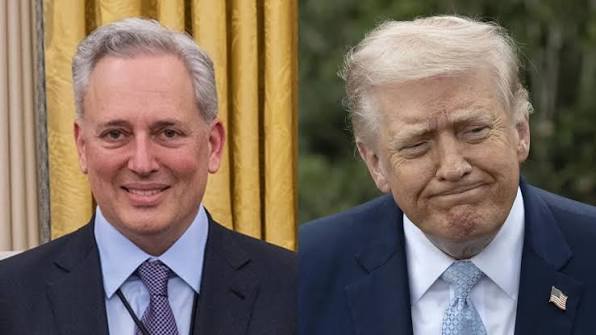
A major factor behind this decline is a statement from Donald Trump, who described ongoing discussions with Iran as “very good.” His remarks have fueled optimism that tensions in the region could ease, potentially reducing the risk premium that has long been embedded in global oil prices due to conflict concerns.
The possibility of improved relations or even a resolution to ongoing hostilities has encouraged traders to reassess their expectations. When geopolitical risks decline, oil markets often react quickly, as fears of supply interruptions diminish. This appears to be the case here, with investors responding to the prospect of stability in a region that plays a crucial role in global energy production.
Additionally, the market is reacting to the broader implications of peace talks, which could lead to increased oil output or fewer restrictions on exports. Such developments would contribute to higher global supply, further pressuring prices downward. The combination of easing tensions and anticipated supply growth has created a bearish outlook for crude oil in the short term.
Overall, the recent drop in Brent crude highlights how sensitive energy markets are to political signals and international diplomacy. As negotiations continue, traders and analysts will closely monitor updates, knowing that even small shifts in tone can have a significant impact on oil prices worldwide.