
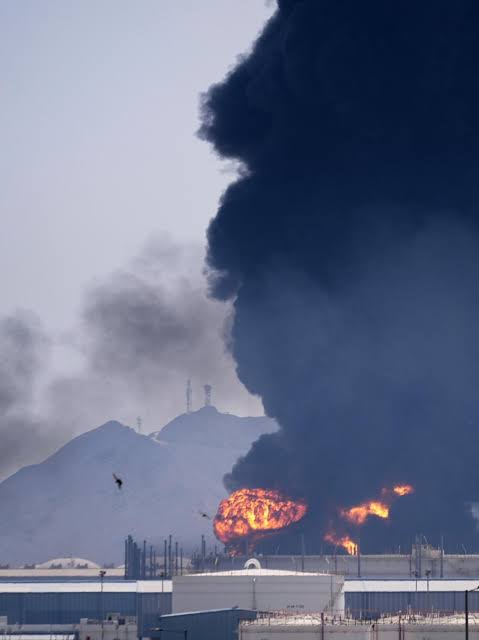
The conflict in the Middle East has intensified following coordinated strikes by the United States and Israel on several Iranian military installations. Among the locations reportedly targeted was Kharg Island, a strategically important area connected to Iran’s energy and military infrastructure. The operation marks a significant escalation in the ongoing confrontation, further straining relations in an already volatile region.
These strikes have heightened concerns about a wider regional conflict. Kharg Island holds particular importance because of its proximity to key shipping routes and its role in Iran’s oil export network. Attacks on sites linked to such strategic assets have drawn global attention, as any disruption in this area could have ripple effects on international energy markets and regional stability.
Iranian officials responded strongly to the developments, warning that retaliation could follow. Authorities in Tehran suggested that energy facilities and oil infrastructure across the Gulf region could become potential targets if tensions continue to rise. Such warnings have amplified fears that the conflict could expand beyond its current scope.
In response to the growing threat, officials have advised evacuations in certain areas near ports in the United Arab Emirates. The precautionary measures reflect increasing concern about the possibility of further attacks or disruptions in the region’s crucial maritime and energy corridors.
As the situation unfolds, governments and international observers are closely monitoring the developments. With diplomatic tensions running high and security risks mounting, the latest strikes have added another layer of uncertainty to the broader geopolitical landscape of the Middle East.