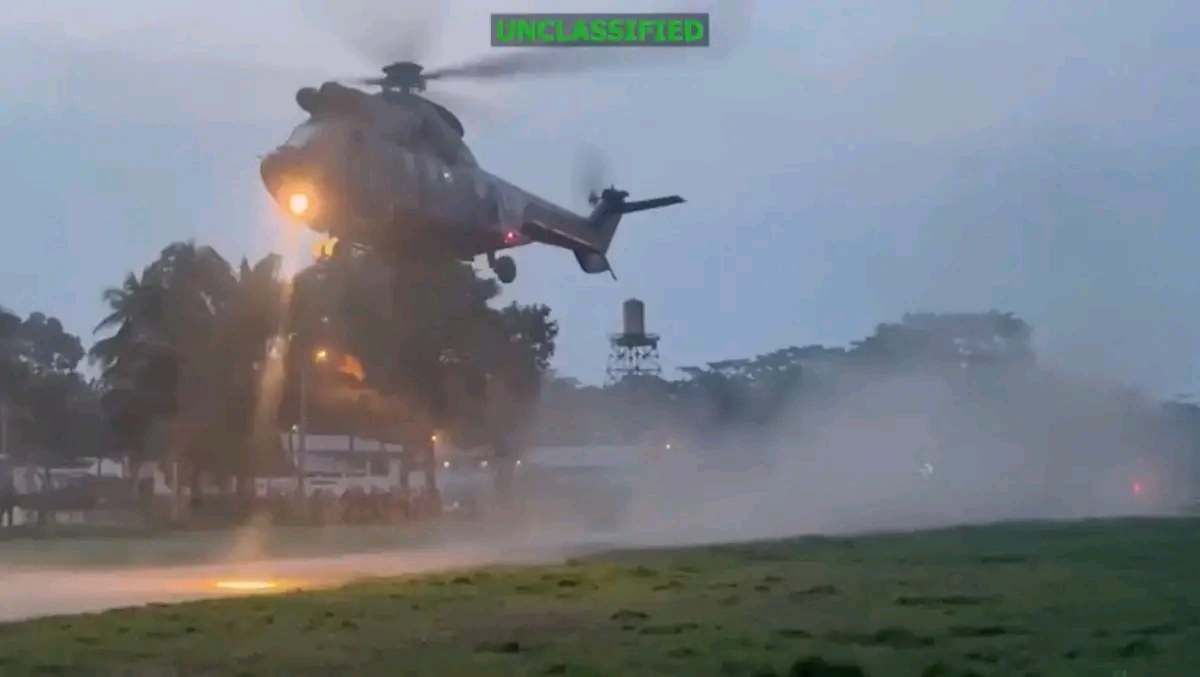
The administration of former U.S. President Donald Trump has reportedly begun a military operation involving American forces in Ecuador. According to early reports, the move is part of a broader effort by the United States to address growing security concerns in the region and strengthen cooperation with Ecuadorian authorities. Officials describe the mission as a strategic step aimed at stabilizing conditions and supporting local institutions during a period of heightened tension.
Government representatives indicated that the deployment focuses on assisting Ecuador in tackling organized crime and other threats that have increasingly challenged the country’s public safety infrastructure. By working alongside Ecuador’s security forces, the United States hopes to provide logistical support, intelligence sharing, and operational guidance designed to improve the effectiveness of ongoing security measures.
The decision has drawn attention both domestically and internationally. Supporters argue that deeper cooperation between the United States and Ecuador could help contain criminal networks and prevent instability from spreading across the region. They view the initiative as part of a wider commitment by Washington to maintain security partnerships throughout Latin America.
At the same time, the development has sparked debate among policy analysts and political observers. Some critics question whether direct military involvement is the most effective way to address the underlying issues driving violence and instability. They suggest that long-term solutions may also require investments in economic development, governance, and social programs.
As details continue to emerge, the operation is likely to remain a closely watched topic in international affairs. The extent of the mission, its objectives, and its potential impact on Ecuador’s internal security will shape how both nations—and the wider global community—assess the significance of this move in the months ahead.