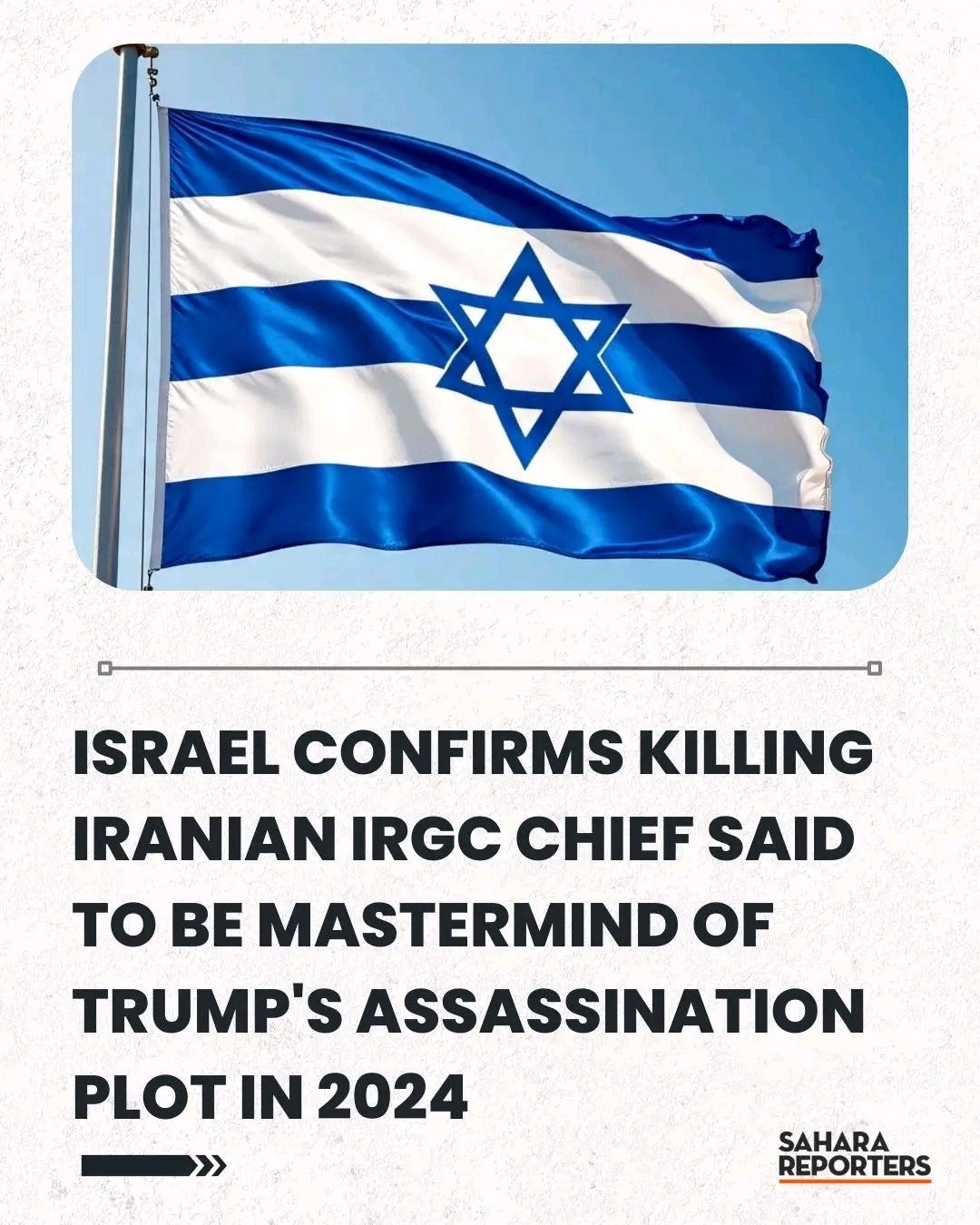
In recent developments shaking international relations, Israeli officials have publicly confirmed that a high-ranking commander from Iran’s Islamic Revolutionary Guard Corps (IRGC) has been killed in a strike that Israel says targeted figures linked to threats against foreign leaders. The announcement came amid intense military activity in the Middle East, with Tel Aviv describing the operation as part of a broader effort to disrupt what it called “dangerous plots” emerging from Tehran.
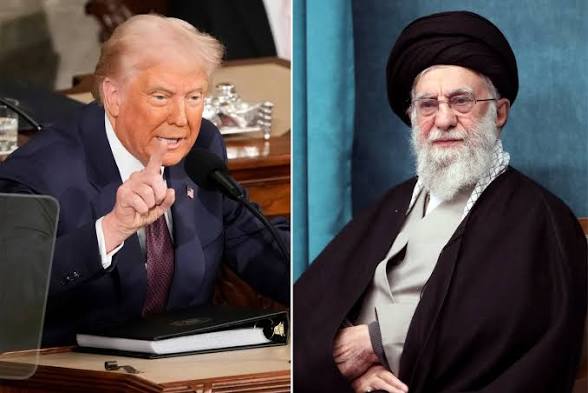
According to reports, the deceased commander was believed by Israeli authorities to have played a central role in planning or supporting covert efforts directed at former U.S. President Donald Trump during the 2024 election cycle. While the full details of this alleged plot have been debated, U.S. prosecutors previously charged an individual tied to Iranian intelligence with attempting to hire hitmen to kill Trump and others, reflecting longstanding tensions between the two nations.
Department of Justice +1Israel framed the strike as a preventive measure, asserting that neutralizing the commander was necessary to protect interests and avert further escalation. The operation was part of a series of coordinated actions that also saw the killing of other senior Iranian figures in related military actions. These developments have taken place against the backdrop of wider conflict between Israel and Iran and ongoing global scrutiny of Tehran’s foreign policy and regional influence.
In the United States, political leaders have responded strongly to both the alleged plots and the military responses. Former President Trump himself has publicly linked recent strikes against Iranian leadership to efforts to head off threats against him and his supporters, underscoring how deeply such events are intertwined with domestic politics and perceptions of national security.
Fox News Analysts say these events reflect decades of fraught relations between Iran, Israel, and the United States, with periodic spikes in direct confrontation. The killing of senior figures whether through sanctions, legal actions, or military strikes continues to fuel debate over the most effective way to manage threats and prevent further violence in a region already marked by conflict and instability.