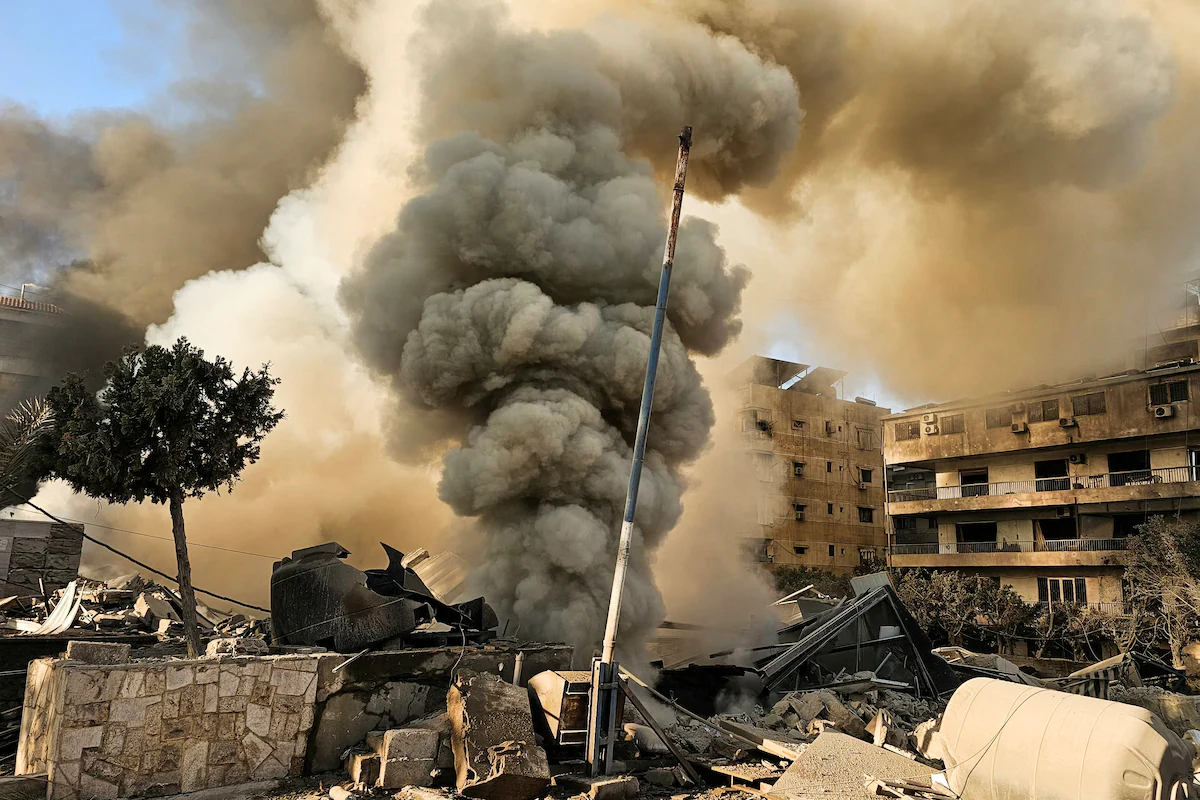
The Middle East crisis has taken a troubling turn following reports that Iranian drones targeted the United States Embassy in Saudi Arabia. The incident marks a significant escalation in an already fragile regional landscape, heightening fears of a broader confrontation.
According to emerging details, the strike involved unmanned aerial vehicles allegedly launched amid rising hostilities between Iran and its adversaries. While the full extent of the damage remains unclear, the targeting of a diplomatic facility has drawn sharp international attention and concern. Embassies are traditionally regarded as protected spaces under international law, making any assault on them particularly alarming.
The attack underscores how rapidly tensions in the region are intensifying. Ongoing disputes, long-standing rivalries, and shifting alliances have created a volatile environment where miscalculations could trigger wider instability. Analysts warn that such incidents not only strain diplomatic relations but may also provoke retaliatory measures.
As global leaders monitor developments closely, calls for restraint and de-escalation are growing louder. The coming days will likely prove critical in determining whether diplomatic channels can prevent further deterioration or whether the conflict risks expanding beyond its current scope.