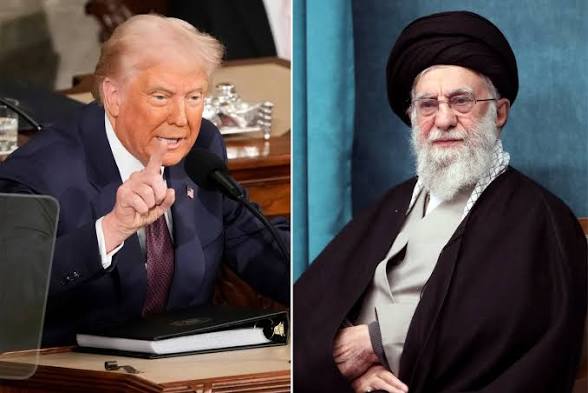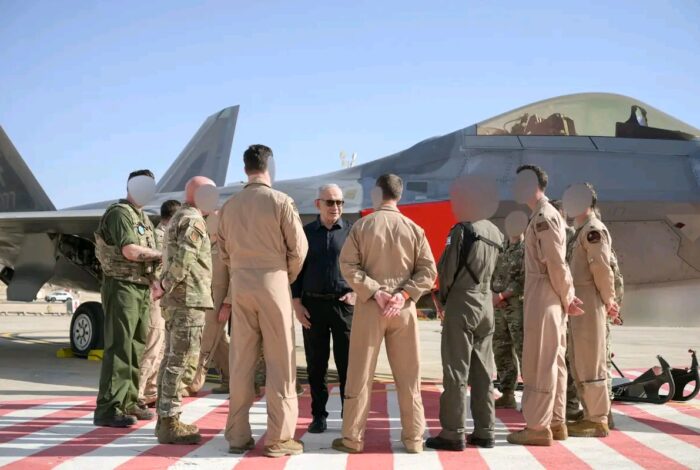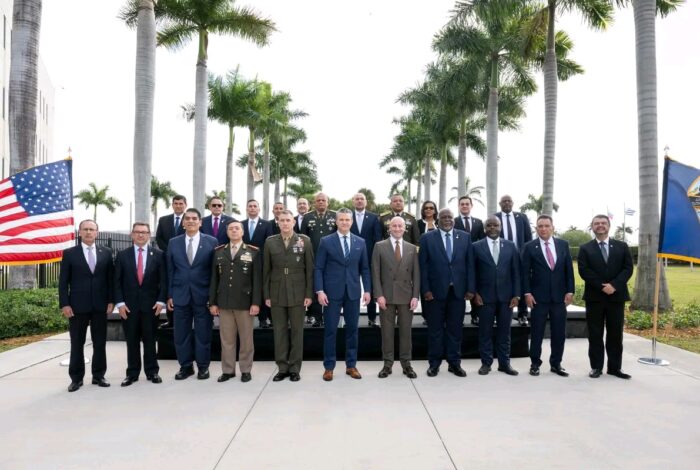
The United States and Israel have carried out extensive military operations against targets inside Iran, marking one of the most dramatic escalations in the region in recent years. The coordinated strikes reportedly focused on key Iranian military installations and government facilities, signaling a decisive and forceful response to ongoing hostilities.
According to multiple reports, the attacks resulted in the death of Iran’s Supreme Leader, Ayatollah Ali Khamenei, along with several high-ranking officials. If confirmed, this development would represent a historic turning point for Iran’s leadership structure and could significantly alter the country’s political landscape. The loss of such a central figure is expected to have far-reaching consequences within Iran and beyond.
The strikes have sharply intensified tensions across the Middle East, a region already burdened by complex rivalries and fragile alliances. Neighboring countries are closely monitoring the situation, while global powers weigh diplomatic, military, and economic implications. Concerns are mounting about the possibility of retaliation and the risk of a broader regional conflict.
International reactions have been swift, with governments around the world calling for restraint and urging diplomatic solutions to prevent further escalation. As events continue to unfold, the situation remains fluid, and its long-term impact on global security and geopolitical stability is still uncertain.