
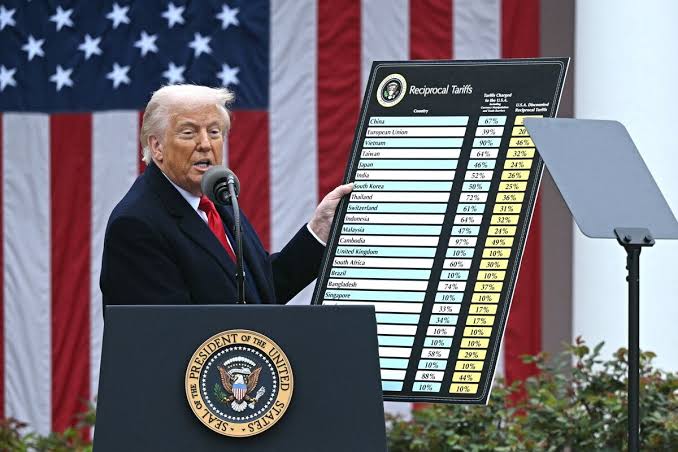
The U.S. stock market saw notable gains today as major Wall Street indexes responded positively to a recent Supreme Court ruling on tariffs. Investors welcomed the decision, which effectively rejected certain trade policies that had previously created uncertainty in the market. The ruling has injected a renewed sense of confidence, encouraging traders and portfolio managers to reassess their positions and strategies.
This legal outcome appears to have eased some of the pressure on companies exposed to international trade risks. Businesses that rely heavily on imports and exports can now operate with a clearer understanding of the tariff landscape, which in turn supports stronger projections for revenue and growth. As a result, stock prices across multiple sectors experienced upward momentum, reflecting optimism among both institutional and retail investors.
Financial analysts note that such judicial decisions can have immediate and measurable effects on market sentiment. In this instance, the Supreme Court’s stance has reduced one of the significant uncertainties that had previously weighed on investor confidence. By providing clarity on trade regulations, the ruling has helped to stabilize expectations, which is often a key driver behind sudden market rallies.
The ripple effect of this development is also visible in the broader economy. Investor confidence tends to influence corporate investments, hiring plans, and expansion strategies. With the reduction of tariff-related uncertainty, companies are likely to pursue growth initiatives more aggressively, potentially benefiting not only shareholders but also the workforce and related supply chains.
Overall, the Supreme Court decision has had an immediate and positive impact on U.S. financial markets. Wall Street’s upward movement underscores the sensitivity of investors to regulatory and legal developments, highlighting how pivotal policy clarity can be in shaping market behavior. As traders digest the implications of this ruling, the focus will likely shift toward monitoring how businesses capitalize on the more predictable trade environment.