
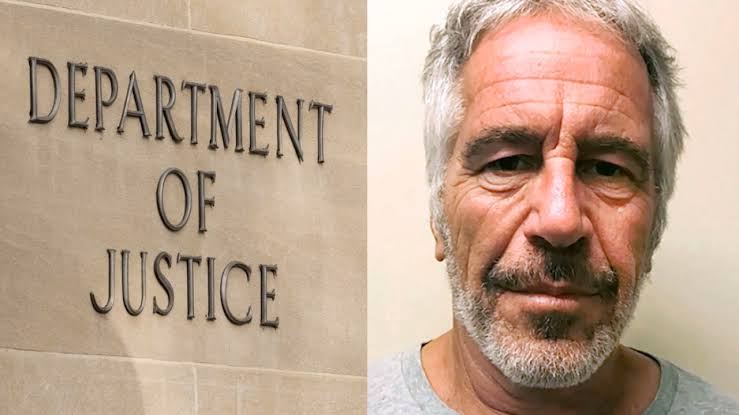
The U.S. Department of Justice has taken a temporary step back on the release of thousands of documents connected to Jeffrey Epstein, citing concerns over privacy protections. According to officials, the decision was made after it was discovered that some files may not have been properly redacted, potentially exposing the names of private individuals who were not meant to be publicly identified.
This move reflects the department’s stated commitment to balancing transparency with personal privacy. While there is strong public interest in the Epstein case and its surrounding details, authorities emphasized that releasing sensitive information without adequate safeguards could cause unnecessary harm to people who are not accused of any wrongdoing.
Officials clarified that the removal of the documents does not signal an attempt to conceal information permanently. Instead, the files are undergoing a careful review process to ensure that all required redactions are correctly applied and that legal and ethical standards are met before they are made available again.
The Epstein case has long been the subject of intense scrutiny, and each new release of records tends to spark renewed public debate. This latest pause has added another layer to that discussion, highlighting the challenges government agencies face when handling high-profile cases with complex legal and personal implications.
Once the review is complete, the Justice Department has indicated that the documents will be re-released in a corrected form. Until then, officials are urging patience, stressing that accuracy and responsibility are essential when dealing with records of this scale and sensitivity.